
What Really Improves a Referee: The Power of Post-Match Review
If you asked most people what defines a referee’s performance, they’d point to the 80 minutes on the field. I’d argue the real growth happens after the final whistle. Review is where you turn experience into improvement. It’s where good decisions are reinforced, mistakes are understood, and your game evolves over time.
For me, review has been one of the most important parts of developing as a referee. It’s not something you need to overcomplicate either. At any level, it can be as simple as going into a game with one or two clear goals, then reflecting on them afterwards. Did you execute them? What would you do differently next time? If you’re doing that consistently, you’re already ahead of most.
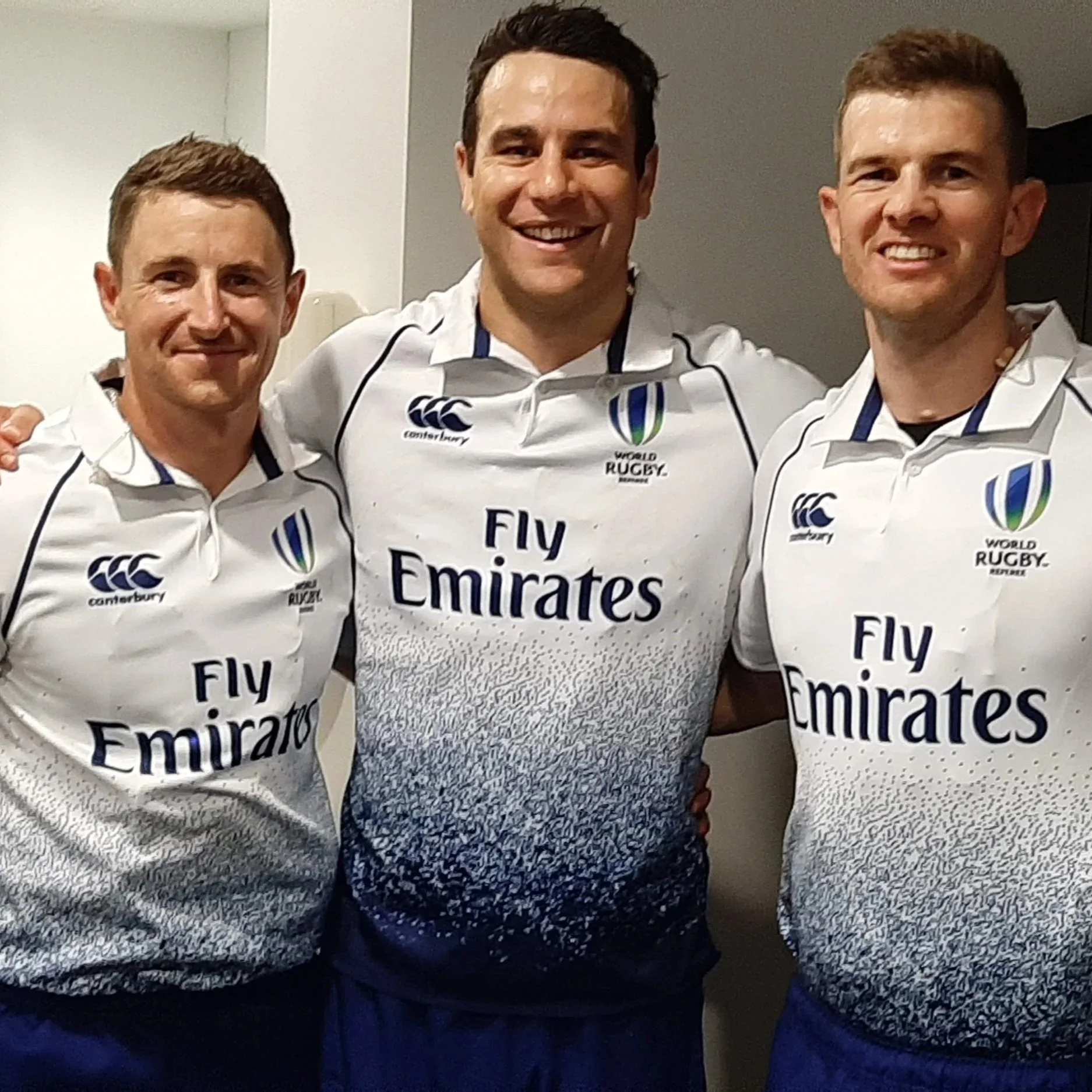
At the professional level, review becomes far more detailed, and we often spend more time reviewing the game than we do actually refereeing it. Typically, we travel the day before the match and return the day after. The game is usually available to download the following morning, and we receive what’s called a stacked version, with multiple camera angles. That allows us to look at the same moment from different perspectives and get a much clearer understanding of what actually happened.
Everything we do is built around an individual performance plan, which outlines the key areas we’re working on across the season. For me, that might include game accuracy, in-game decision making, and being my authentic self on the field. Those themes guide the review, but from there we go right into the detail.
We look closely at decision making, not just whether a call was technically right or wrong, but whether it was the best decision in that moment. We also review non-decisions, the moments where we chose not to act, and assess how that impacted both attack and defence. Then we go through each set piece, looking at the setup and outcome of scrums, lineouts, and how lineouts transition into mauls.
Communication and positioning are another big focus. We assess how clear our communication was, the timing of it, and where we were physically on the field. Often it’s the small details in these areas that make a big difference to overall performance.
High-impact moments always get extra attention. Yellow cards, red cards, missed foul play, and tries are all reviewed in detail because they can define a game. One area that people don’t always see is the amount of work happening behind the scenes with the TMO. After every try, there is a live check happening. We use the time during the conversion to quickly review the lead-up, and the team is constantly communicating in the background. Not everything goes upstairs, but everything gets checked. If the TMO does step in, it’s usually because there’s something that needs confirming or they’ve identified something we haven’t. In review, we look closely at that process, the communication, and whether the outcome was right.
A full review will take around three to four hours. It’s very deliberate, with a lot of stopping, starting, rewinding, and looking at different angles. We code and clip key moments as we go, and by the end we have a full picture of the game. Those clips are then shared with our coaches and management, who conduct their own review. We come together early in the week, usually on a Monday, to align on what went well, what needs improving, and any key moments. If there’s any difference in opinion, that’s where the deeper conversations happen.
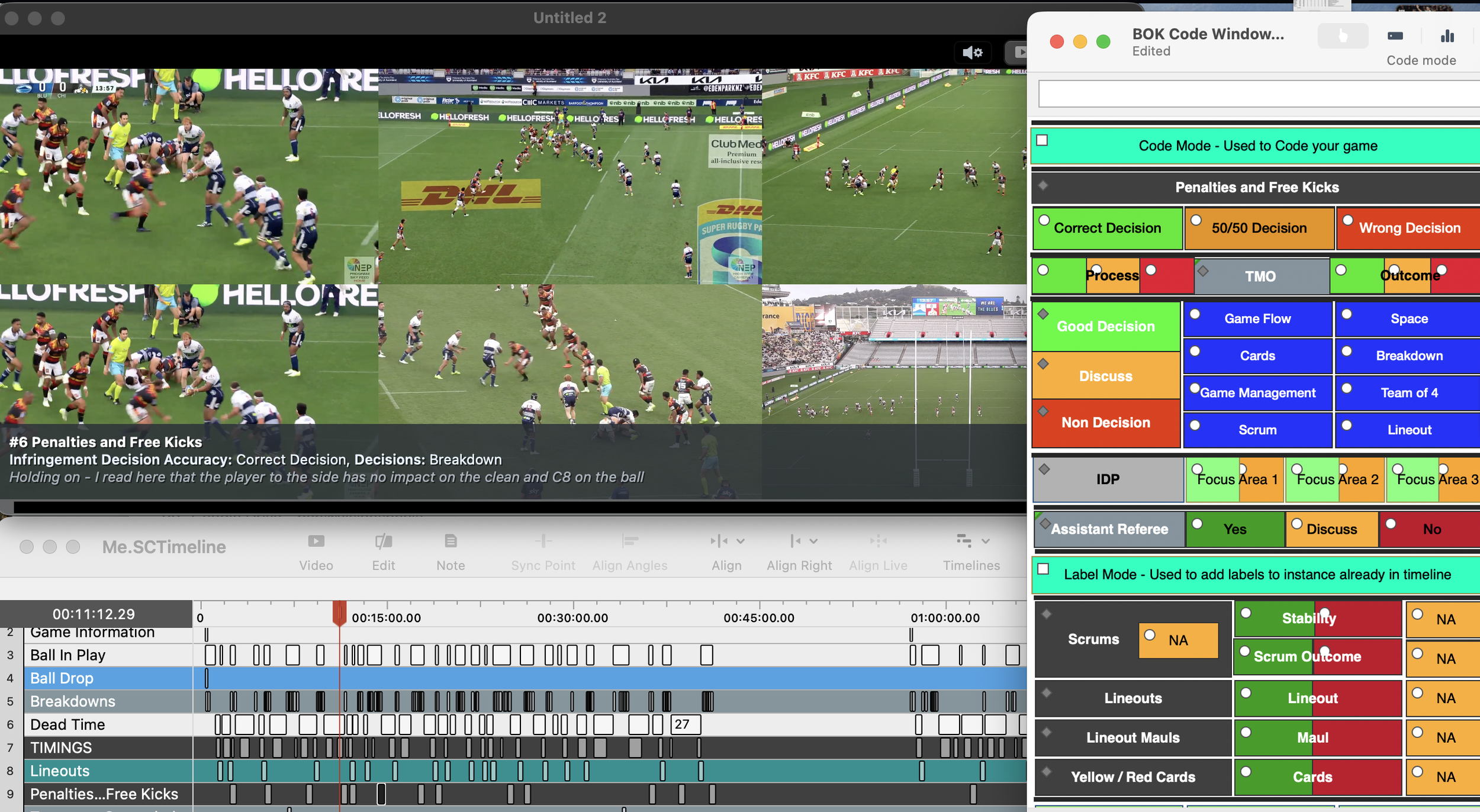
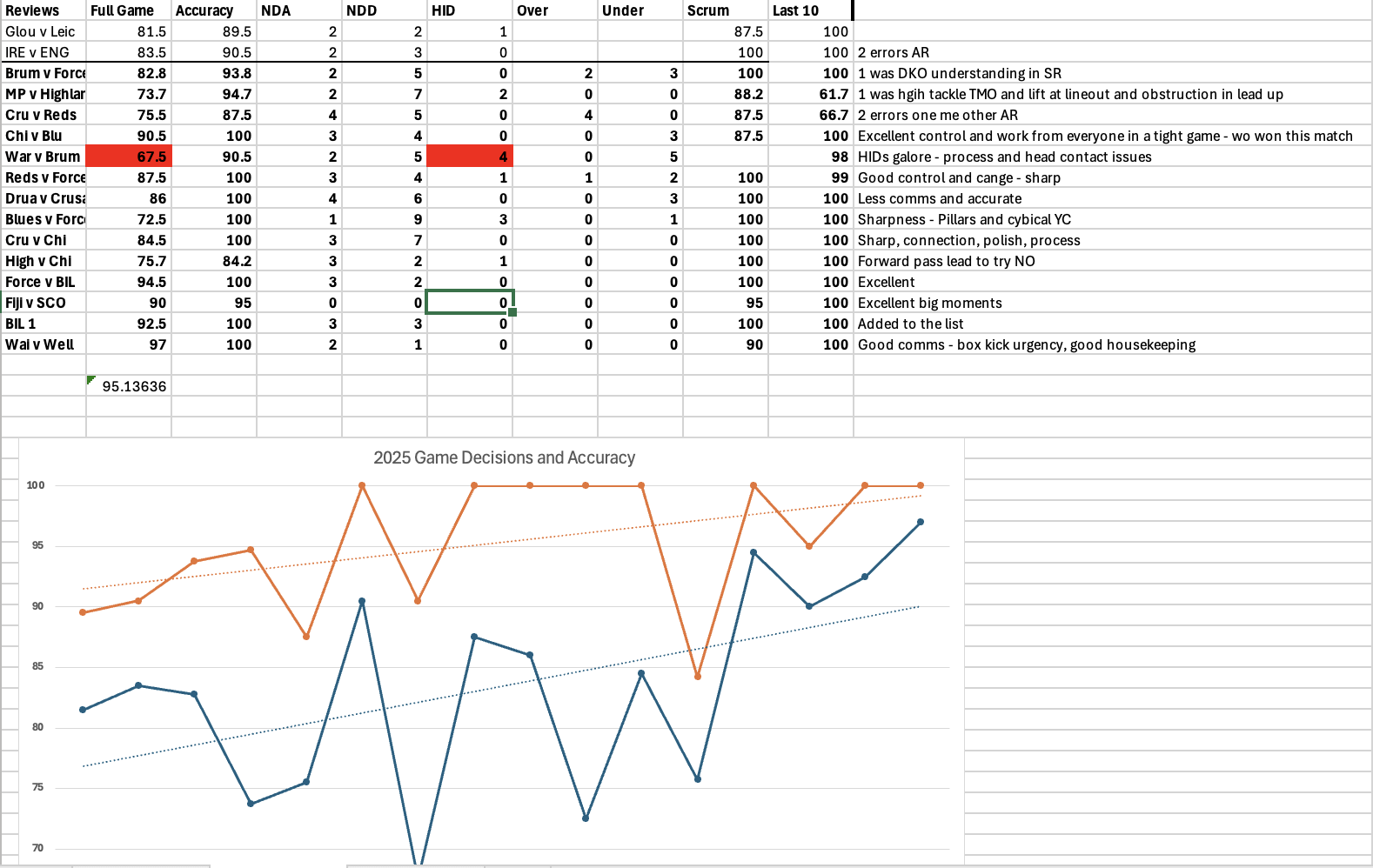
Another really important part of review, and something that often gets overlooked, is the statistical side of your performance. One of the big questions referees ask is, how do you actually know if you’re improving at the breakdown or in your decision making? One way we do that is by scoring our games. That can include things like overall decision accuracy percentage, the types of decisions being made, and weighting certain moments more heavily depending on their impact on the game. I created my own type of “game score” to see if I had a good game or not and its been with me for a few years now and has really help me track my progress during the season and from season to season.
Overall Game Score =
Decision Accuracy % - (Attack Non-decisions) - 2(Defence Non-decisions) - 3(HIDs)
For example, you might look at your overall game score and aim to be above 85 percent. That sounds straightforward, but it’s actually very difficult to achieve consistently. You might come out of a game thinking you went well, but then the score sits at 75 percent. That’s where the real value of review comes in. You can go into the detail and understand why. Was it too many incorrect decisions? Were the big moments not accurate? Or was it something like game control or communication that brought the score down?
It also helps highlight trends. You might find that your accuracy is strong, but your non-decisions are letting you down, or that you’re over-connecting in certain areas and missing clearer opportunities elsewhere. That gives you something very specific to work on the following week. It becomes less about how you feel you went, and more about what the detail is actually telling you.
This kind of analysis gives you another layer to your review. It’s not just watching the game back, it’s measuring it, understanding it, and then using that information to drive improvement.
This process isn’t just valuable for referees. Teams receive feedback early in the week as well, which helps them understand decisions, identify trends, and adjust their training. It gives them clarity heading into the next game.
Over time, review helps you build what I call a blueprint. You start to collect pictures of the game, good decisions, mistakes, patterns, and trends. Whether it’s around the tackle area, set piece, or general game flow, you begin to recognise situations rather than react to them. That recognition is what allows you to make better decisions under pressure.
The most important part of all of this is that review is self-driven. Coaches and managers play a role, but relying on them alone can be inconsistent. The best referees take ownership of their own development. They do the work themselves, understand their own patterns, and keep building.
If you’re a referee, or even a player, I’d challenge you to build a review habit. Keep it simple to start with. Choose one or two focus areas, reflect honestly after the game, and take one learning into the next week. Improvement doesn’t happen overnight, but if you keep reviewing, reflecting, and learning, you’ll continue to get better over time.
